• Ginger Goodness

    September 27, 2025
    Mindfuel Bites, Recipe Book, the comfort series

    the comfort series pt. 4

    Pulusu, for the uninitiated, is a tangy stew made with onions and tamarind pulp—the “pulupu” (sourness) in pulusu. My most favorite genre of south india entree, easily. It’s easily my favorite genre of South Indian entrées. At the very top of my list sits chepala pulusu (fish pulusu), a dish that instantly reminds me of home and is my forever comfort food.

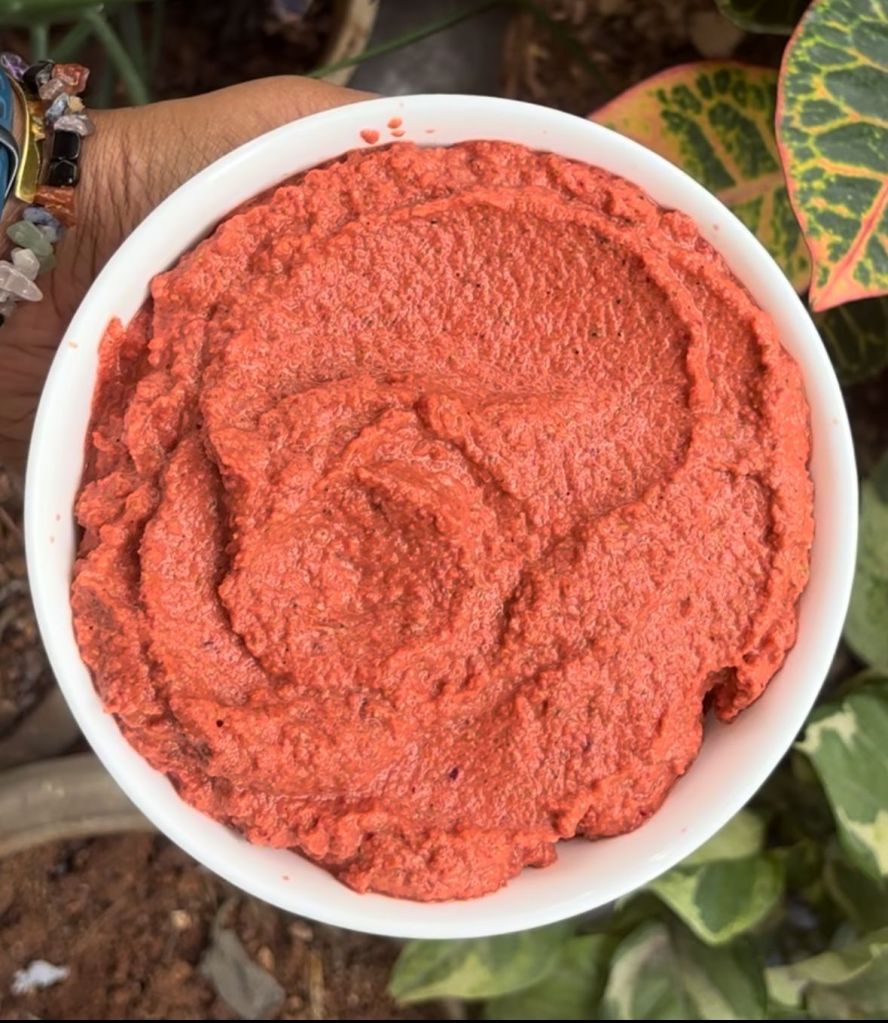
    But today’s star is the ginger pulusu—packed with all the fiery, healing goodness of ginger. Ginger has the power to soothe a sore throat, warms a homesick soul, and has even been my ally on those first two days of period cramps. I only remember tasting this once or twice in childhood, but when I finally returned home after two whole months away, this was the very first recipe I asked my Nanamma (my paternal grandmother) to make.

    The strong flavor of the ginger, balanced with caramelized onions carries me straight back to childhood memories, and that feeling of being taken care of. This recipe may not be for you, especially if you dislike ginger. Because, well, the hero ingredient is…GINGER!


    GINGER PULUSU (makes 6-8 portions)

    What you need: 

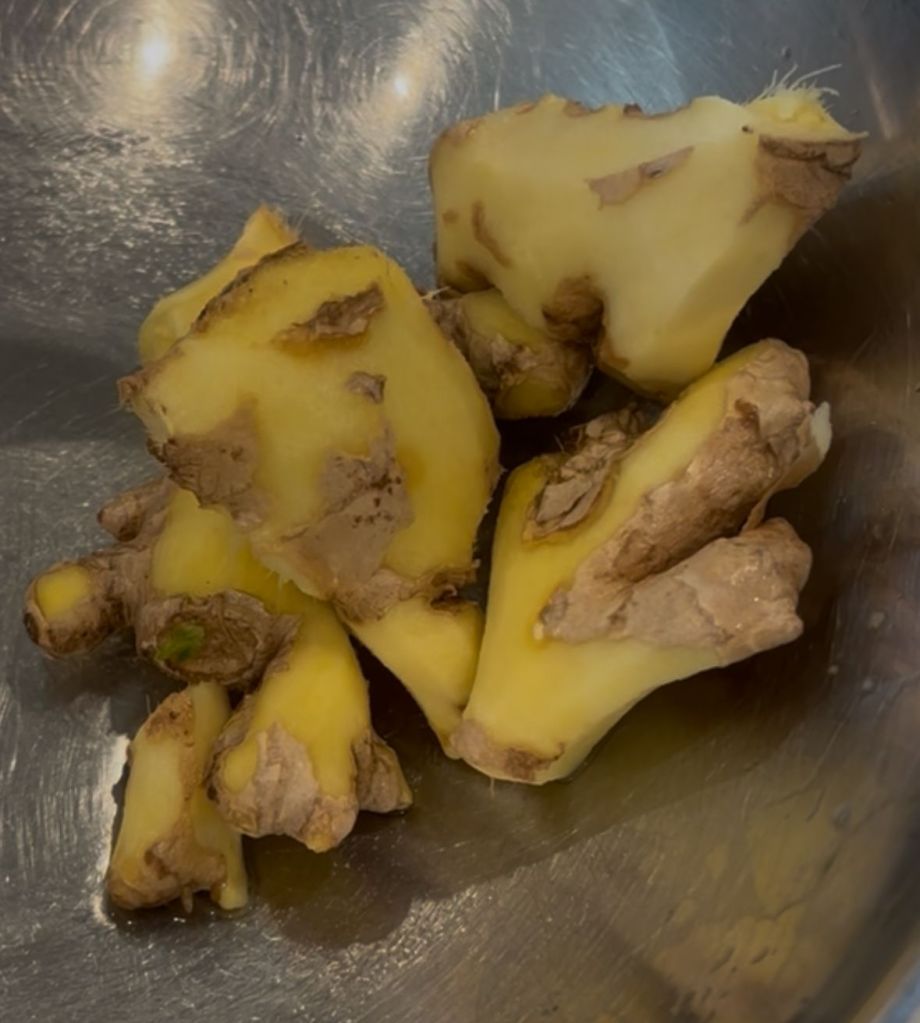
    • 75–100 g ginger (if using organic, it’s stronger—use less), cut into 1-inch cubes
    • 6–7 cloves garlic, peeled
    • 1 big red onion (or 2–3 regular ones), diced
    • 4 green chillies, slit in half to let the seeds out (hello capsaicin!)
    • Salt, to taste
    • Neutral oil
    • 1 tsp turmeric powder
    • Chilli powder, to taste
    • 2–3 sprigs of curry leaves, torn up with bare hands
    • Tamarind (about the size of a lemon—grandma’s measurement), soaked in hot water for a few minutes (start with this step!)

    What to do:

    • Heat 2–3 tsp oil in a pan and fry the ginger until golden brown. Let it cool, then blitz with the raw garlic to make a paste.
    • In another pan, add oil. Toss in the slit chillies, diced onions, and curry leaves. Let the onions cook down. Grandma’s expert tip: add salt, cover with a lid, and let everything sweat together.
    • Once the onions are translucent, add the ginger–garlic paste (this isn’t your usual ratio—it’s more like 7:1 ginger to garlic). Cook until the raw smell of ginger disappears.
    • Add turmeric and chilli powder, mix well, and let it all cook for another 2–3 minutes. Keep an eye on the base so it doesn’t burn.
    • When ready, squeeze out the tamarind and pour the tamarind water into the pan.
    • Let the tamarind and ginger bubble away together for 5–10 minutes until well married. Voila! Serve hot with plain rice.

    ✨Mindfuel bites✨

    • Ginger—the hero of this dish and a longtime favorite in both Chinese and Ayurvedic medicine—is a rhizome celebrated for its anti-inflammatory and digestive properties. Ginger root belongs to the same family as turmeric and cardamom, with over 1,300 distinct species. Its strong aroma and flavor come from compounds called gingerols, which are just the beginning of its bioactive magic.
    • Ginger is rich in micronutrients like vitamin C, B6, magnesium, potassium, copper, manganese, fiber, and water. Beyond that, it’s loaded with phytochemicals and polyphenols, including the key active compounds: gingerols, shogaols, paradols, zingerone, and various flavonoids and terpenoids. These molecules bring a wide range of benefits: antioxidant, anti-inflammatory, antimicrobial, analgesic, and even potential anti-cancer properties.
    • While there isn’t yet a wealth of established research or hard numbers on ginger’s efficacy, modern guidelines and studies give it a nod as a “low-key hero.” The American College of Obstetricians and Gynecologists notes that ginger can help reduce nausea during pregnancy. Similarly, the American Academy of Orthopaedic Surgeons acknowledges that ginger extract may offer analgesic and functional benefits for patients with mild-to-moderate knee osteoarthritis.
    • Chen et al. conducted a systematic review and meta-analysis of oral ginger intake and found that it effectively controls menstrual pain in dysmenorrhea—a fact I can personally attest to. Another review suggests ginger may improve lipid profiles, glucose control, insulin sensitivity, and HbA1c in people with type 2 diabetes. Randomized controlled trials are still limited, but so far, ginger seems to be a promising, natural ally in wellness.
    • Keep in mind: while ginger can help relieve nausea and soothe your digestive system, too much can cause irritation. The recommended serving is about 1 tablespoon of ground ginger or two-thirds cup of freshly grated ginger.

    Literature:

    https://pmc.ncbi.nlm.nih.gov/articles/PMC7019938/
    https://www.ncbi.nlm.nih.gov/books/NBK565886/

    https://pubmed.ncbi.nlm.nih.gov/38903613/

    No comments on Ginger Goodness
  • Burnt Toast

    September 2, 2025
    Young & Unfiltered

    My most recent brush with burnout came while preparing for Step 2. I didn’t even realize it was possible to feel burnt out without being actively “at work” or in a healthcare setting. I often felt drained, emotionally flat, and stuck in this loop of feeling stuck. It was as if the phase would never end.

    Over the years, I have realized that caring for my mental health is my own responsibility. I did not grow up in an environment where mental health was even acknowledged, let alone prioritized. It simply wasn’t part of the culture. But I do see change slowly, yet surely, finding its way in.

    So, what exactly is burnout? Most definitions circle around the same idea: it’s the result of prolonged psychosocial stress, where the demands of your work exceed the resources you have to meet them.

    The best description I’ve come across in medical literature puts it this way: burnout is an emotional state that develops when the relentless stressors and pitfalls of the profession overshadow the hard-won achievement of becoming a physician. Its hallmark is emotional exhaustion, but it often brings along physical fatigue, a sense of reduced professional efficacy, cynicism, and even cognitive difficulties.

    Literature about burnout dates back to the mid-1970s, when the term emerged in social and work psychology. The most widely used framework describes burnout as having three key dimensions: overwhelming emotional exhaustion, depersonalization, and a sense of ineffectiveness or lack of personal accomplishment. Later writers argued that depersonalization and detachment may not always be present. However, despite several differences, emotional exhaustion remains the primary component of burnout syndrome. As this was discussed more and more,  it became clear that it isn’t limited to the workplace. Symptoms of exhaustion due to long-term stress exposure can be the result of any situation that is emotionally demanding.

    Although there is no definitive evidence directly linking the Hypothalamus-Pituitary-Adrenal (HPA) axis to burnout, stress, and fatigue have been associated with adrenal and HPA axis activity in the literature since the 1960s. A common hypothesis suggests that in the early stages of chronic stress, HPA axis and sympathetic nervous system activity are elevated. Over time, with prolonged stress, these systems may downregulate, eventually leading to HPA hyporeactivity and reduced vagal tone in clinical burnout.

    Over the past decade, physician wellness has finally been getting the attention it deserves, and mental health is being taken more seriously. Sure, we’re ultimately responsible for our own well-being, but it definitely helps to be in a place that actually supports it.

    At different points in my life, I’ve felt that all-consuming emotional exhaustion. I’ve been lucky to have the time, space, and resources to do what I needed to get through it and push myself. As rough as it was, I did feel lighter once the exam was over. 

    Reflecting on that time, here are some of the things that really helped me:

    • Taking it one day at a time. The most important one. Looking at each day as a fresh start helped me the most. If you let the emotions of one day spill into the next, the days just blur into one big blob. And honestly, I can’t be the only one who feels like 2025 has been flying by. It does help to take it a day at a time and slow down from that feeling.
    • Movement. So underrated. For me, working out meant actually leaving the house, driving to the gym, whining to myself for the first 50 minutes, and then finally feeling the serotonin hit in the last 10. That’s when I’d notice the positive shift. More than once, I caught myself thinking, “Why didn’t I do this sooner?” I’ve also started enjoying weights and strength training (still very much a work in progress).
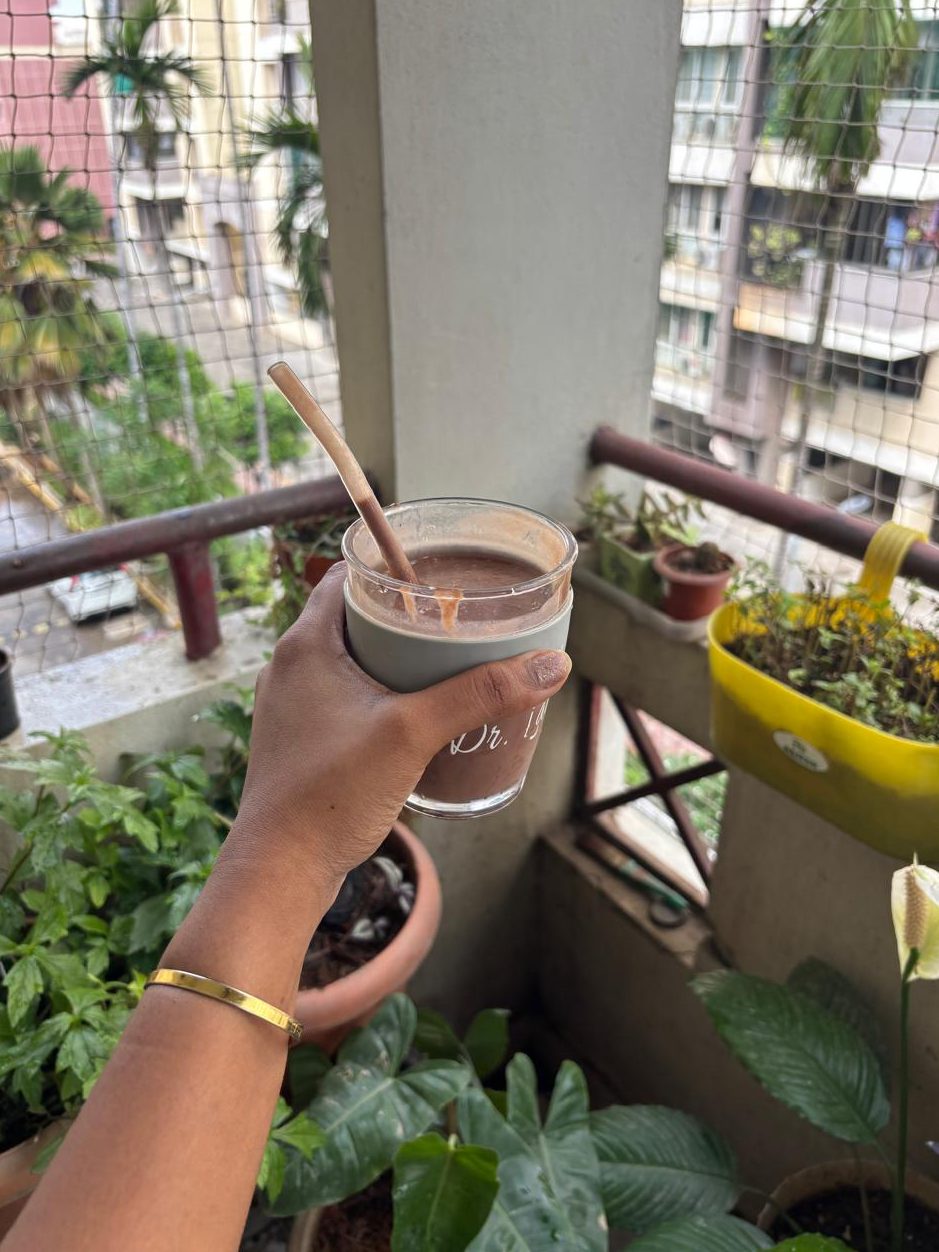
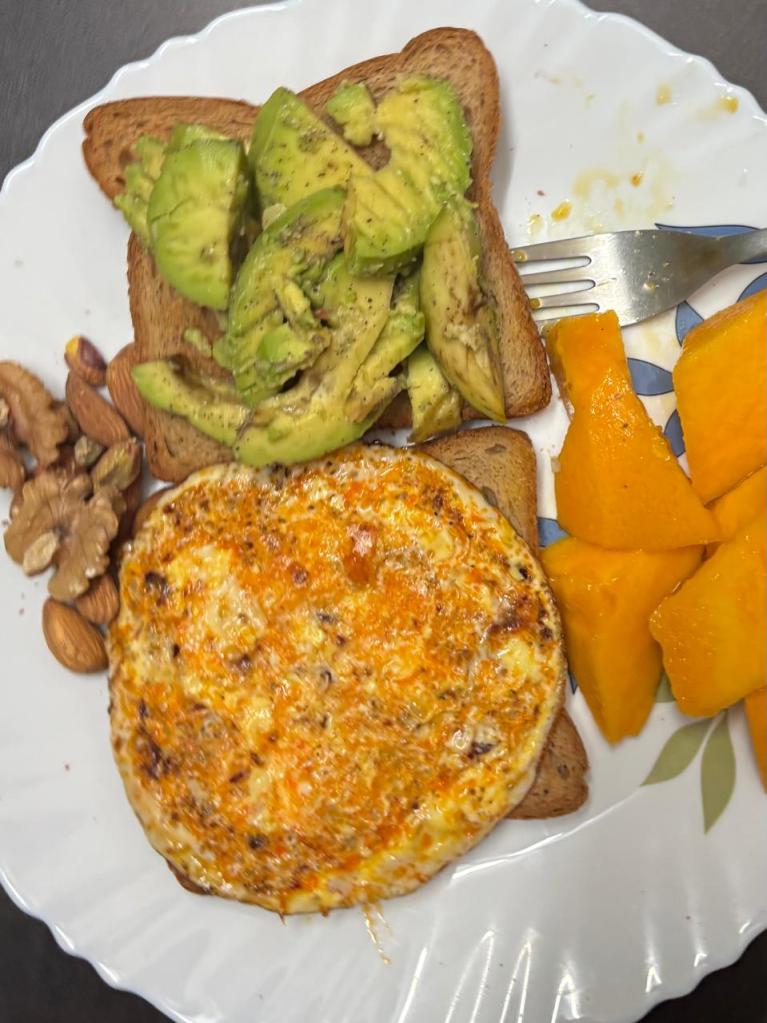
    • Balanced meals. I made it a point to prepare a breakfast I knew I’d enjoy. My go-to was eggs, avocado, and toast, sometimes with coffee on the side. But not every day. As a coffee lover, it was hard to admit that espresso was absolutely wrecking my nervous system, but I did make the tough choice to skip it on some days. I realized that prioritizing ✨protein✨made a huge difference. Sometimes, even mild hunger or snacking out of boredom would derail my focus. Protein helped by keeping me full and fuelling my brain to keep studying and tackle tasks. On some days, my meals were just a protein shake, low effort but high satiety. If you had asked me a few years ago, I would’ve laughed at the idea. But I guess that’s what “adulting” means, realizing that sometimes a quick shake is what you need to get through the day. 
    • Meditation, or at least trying to. And Breath work. “Swaasa meedha dhyaasa.” I’ll admit I’m not a consistent practitioner, even though I know regular meditation, even on the good days, is what builds long-term resilience. When my anxiety peaks, meditating feels nearly impossible. The Headspace app has been a huge help, though. (Not sponsored, I just really love it.) For beginners, I’d recommend their guided meditations on YouTube. Lately, I’ve been following their CBT for Anxiety and Depression program. What I love most is how much they emphasize being kind to yourself and your mind.
    • Leaning on friends and family. This journey already feels isolating, especially for IMGs whose paths look so different from peers back home. Talking to close ones and simply ranting helps.  There were times I felt completely lost and crushed under the weight of my own expectations, not even realizing I was burnt out until friends pointed it out and nudged me to take a break. They’ve patiently listened to my whining more times than I can count, always giving me the space I needed to let it out.

    Burnout is overwhelming, especially because it is difficult to put into words. I often felt confused. To my understanding, there is no formal definition or diagnostic criteria for burnout. It is, rather, a deeply personal state that people experience differently and often struggle to describe. If it feels like too much to handle on your own, reaching out to a therapist or a psychiatrist would help. 

    Sources:

    https://pmc.ncbi.nlm.nih.gov/articles/PMC9799176/

    https://www.sciencedirect.com/science/article/abs/pii/B978012819973200006X?via%3Dihub

    No comments on Burnt Toast
  • When Feta Met Chilli Oil

    March 21, 2025
    Mindfuel Bites, Recipe Book, the eggcellent series

    the eggcellent series pt.2

    Around mid-2023, Feta cheese was having a moment on TikTok and hence, Instagram and YouTube. It soon found its way into my kitchen, especially after I tried the viral baked feta pasta.

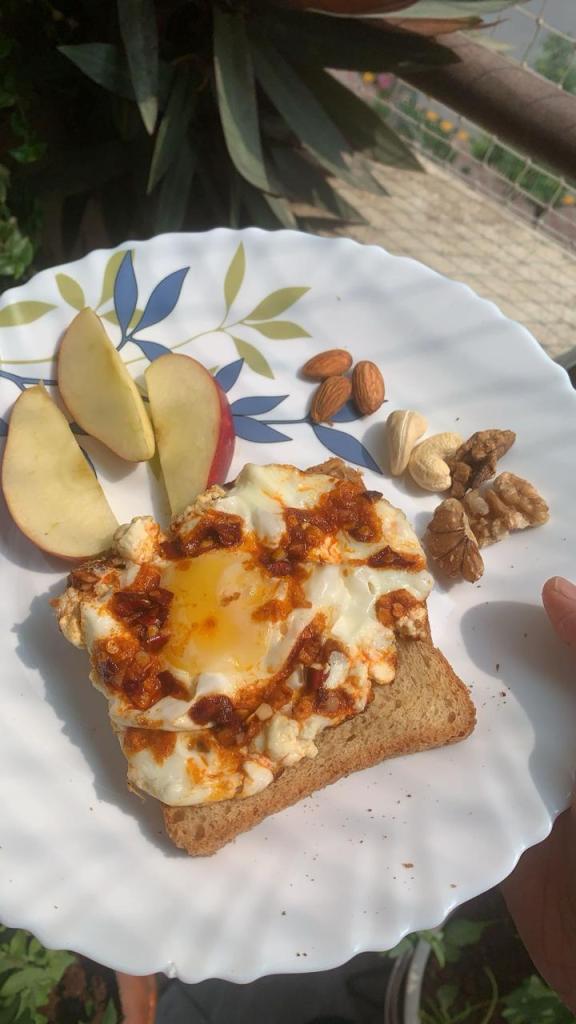
    And then another recipe took over my feed—the Feta Chilli Oil Eggs. This was everywhere, and I I had to try it. Traditionally (the internet now creates new traditions, yes), it’s served on a wrap with eggs atop a bed of sliced avocado. However, finding good avocados can be hit or miss where I live, so I skip the avocado most times. It is still a delicious, nutritious breakfast that has become a regular in my routine since.

    I’ve always struggled with building a routine. I feel my best when I’m in a groove, but once I fall off, it’s hard to find my way back. Something that always helps me is a good morning workout followed by this exact breakfast.


    What You Need:

    • 30-50g feta cheese
    • 2 eggs
    • 1 tbsp chilli oil
    • Fresh coriander or any fresh herbs
    • 2 slices of toast
    • ½ avocado (optional)

    How to Make It:

    1. Heat a pan and add the chilli oil.
    2. Crumble the feta into the pan, spreading it evenly.
    3. Let the feta melt slightly before cracking in the eggs.
    4. Cover with a lid and cook to your preference—I like mine jammy, so I don’t let them fully set.
    5. If using avocado, slice or mash it with salt and pepper, then spread it on the toast.
    6. Place the cooked feta chilli oil eggs on top and enjoy!

    PS- I have not perfected this recipe and very rarely, gotten the perfect crispy flat from the feta. But the best part of this recipe is that it does not have to be perfect. All the ingredients work so well that you won’t miss the crisp!

    _____________________________________________________________________________

    Mindfuel bites

    Current research does not show a clear link between regularly consuming or skipping breakfast and its effects on body mass, metabolism, or diet-induced thermogenesis. While opinions remain divided, most arguments favor eating breakfast. Personally, I believe a balanced meal—like this recipe—sets the right tone for the day and keeps you satiated until your next meal.

    • Feta is a great protein source, providing around 16g per 100g, and is rich in calcium, vitamin B12, and is a probiotic that supports gut health. Interestingly, it also contains conjugated linoleic acid (CLA), an amino acid gaining popularity for potential benefits such as weight management and reduced diabetes risk.
    • Studies have shown that rapidly digested protein with high levels of essential amino acids and adequate leucine is most effective in stimulating muscle protein synthesis. Eggs, being a good source of leucine, are an excellent, affordable option for meeting these needs. Their nutritional profile makes them widely accepted and beneficial, for all age groups. Regular egg consumption supports satiety, muscle maintenance, and weight management – improving overall health. “Sunday ho ya Monday, roz khao ande”– IYKYK!
    • Instead of eliminating carbs, replacing fast-digesting ones with nutrient-dense alternatives—such as whole grains, fiber, proteins, and unsaturated fats—can lead to better metabolic outcomes. In short, the key isn’t cutting out carbs but choosing the right ones. A slice or two of multigrain bread, as used in this recipe, strikes the perfect balance to start your day on the right note.

    _____________________________________________________________________________

    Literature:

    “Feta Cheese: Is It Good for You?” WebMD, webmd.com/diet/feta-cheese-is-it-good-for-you. Accessed 21 Mar. 2025.

    “Conjugated Linoleic Acid (CLA) – Uses, Side Effects, and More.” WebMD, webmd.com/vitamins/ai/ingredientmono-826/conjugated-linoleic-acid-cla. Accessed 21 Mar. 2025.

    Betts, J. A., Chowdhury, E. A., Gonzalez, J. T., Richardson, J. D., Tsintzas, K., & Thompson, D. (2016). Is breakfast the most important meal of the day?. The Proceedings of the Nutrition Society, 75(4), 464–474. https://doi.org/10.1017/S0029665116000318

    Myers, M., & Stevenson Ruxton, C. H. (2023). Eggs: Healthy or Risky? A Review of Evidence from High Quality Studies on Hen’s Eggs. Nutrients, 15(12), 2657. https://doi.org/10.3390/nu15122657

    Maki, K. C., Phillips-Eakley, A. K., & Smith, K. N. (2016). The Effects of Breakfast Consumption and Composition on Metabolic Wellness with a Focus on Carbohydrate Metabolism. Advances in nutrition (Bethesda, Md.), 7(3), 613S–21S. https://doi.org/10.3945/an.115.010314

    No comments on When Feta Met Chilli Oil
  • Trippy Toasties

    March 11, 2025
    Mindfuel Bites, Recipe Book, the comfort series

    the comfort series pt. 2

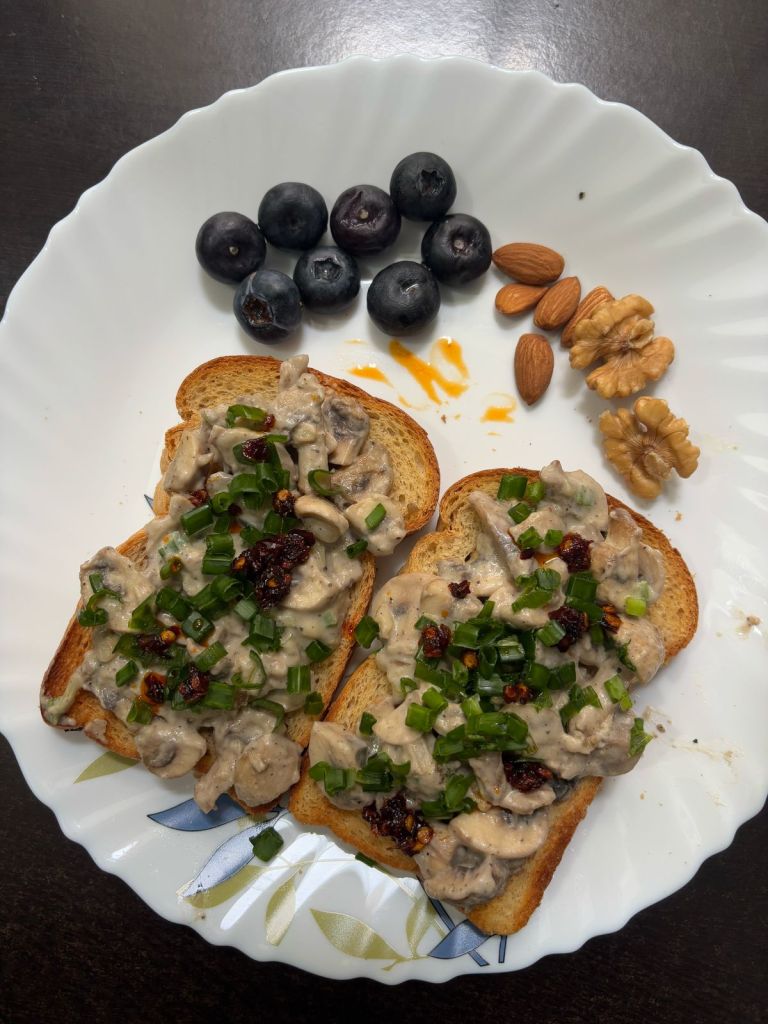
    This recipe takes me on a trip down memory lane. I truly believe that anyone who claims they don’t like mushrooms will change their mind after just one bite of this dish.

    I first came across this recipe during the pandemic when I had the privilege of experimenting in the kitchen daily. Cooking became a source of comfort, a little ritual that brought joy in uncertain times. Around that period, I was also exchanging recipes with dear friends, and this one was a standout. One of my closest friends made it for her family, and as soon as I saw it, I knew I had to recreate it.

    _________________________________________________________________________

    ‘Mushroom Toasties‘ Recipe

    What You Need:

    • 75-100g button mushrooms, sliced thin
    • 2-3 cloves garlic, finely chopped
    • 4-5 stalks green onion, chopped
    • Salt and pepper, to taste
    • 1-2 tbsp heavy cream
    • 1-2 tbsp shredded cheese (I use the Amul Cheese blend of Mozzarella and Cheddar)
    • 2 slices of toast
    • Chili oil, to taste

    What To Do:

    1. Sauté the mushrooms with garlic and green onion over medium heat. (A little tip I’ve learned: never cook mushrooms on low heat, as they tend to release too much water.)
    2. Once the mushrooms soften and cook through, season with salt and pepper.
    3. Stir in the heavy cream and toss everything together.
    4. Add the cheese and turn off the heat while gently folding the mixture as the cheese melts.
    5. Spread the mixture onto your toast and garnish with chili oil, extra green onions, or any fresh herbs you have on hand.

    Pro Tips:

    • Fresh herbs on the top enhance the earthy flavors of mushrooms, so use any greens like green onion, coriander, mint or basil leaves that you have on hand.
    • Don’t skip the chili oil! It adds a perfect finishing touch and adds another layer of flavor and the spice your life needs :p

    Mindfuel Bites

    Mushrooms are seriously underrated. They’re incredibly versatile, nutrient-dense, and low in calories. They bring a deep, savory flavor to dishes without adding excess fat or calories. Plus, they’re packed with heart-healthy compounds and contain just five milligrams of sodium per cup.

    • According to the Mushroom Council (yes, that’s a real thing!), mushrooms are rich in selenium, vitamin D, and B6.
    • A study by the Culinary Institute of America and UC Davis found that replacing half of the meat in any ground beef recipe with mushrooms maintained and even enhanced flavor while reducing sodium intake by a whooping 25%.
    • Another study from Singapore showed that people who ate mushrooms weekly—golden, oyster, shiitake, and white button—had a 50% lower risk of developing mild cognitive impairment (MCI). The data suggests mushrooms may play a role in delaying neurodegeneration.

    One cool thing I learned today? White button, portabella, and cremini mushrooms absorb vitamin D when exposed to sunlight. Leaving them out for about 15 minutes before cooking can actually boost their nutrient content—something I’ll definitely be incorporating into my kitchen routine!

    _________________________________________________________________________

    Literature:

    • www.cedars-sinai.org/blog/five-health-benefits-of-mushrooms
    • www.uclahealth.org/news/article/7-health-benefits-of-mushrooms
    • Feng, Lei et al. ‘The Association Between Mushroom Consumption and Mild Cognitive Impairment: A Community-Based Cross-Sectional Study in Singapore’. 1 Jan. 2019 : 197 – 203.
    • Myrdal Miller, A., Mills, K., Wong, T., Drescher, G., Lee, S. M., Sirimuangmoon, C., Schaefer, S., Langstaff, S., Minor, B., & Guinard, J. X. (2014). Flavor-enhancing properties of mushrooms in meat-based dishes in which sodium has been reduced and meat has been partially substituted with mushrooms. Journal of food science, 79(9), S1795–S1804. https://doi.org/10.1111/1750-3841.12549
    No comments on Trippy Toasties
  • Rainbow Pasta Sauce ft. Adulting Hack Even Mom Approves

    March 6, 2025
    Mindfuel Bites, Recipe Book, Young & Unfiltered

    Every time my fridge is overflowing with fresh, colorful vegetables, I feel an urge to whip up a batch of this pasta sauce and store it for later.

    It wasn’t until I lived on my own and bought my own groceries that I truly understood why my mom always said, “Let’s not order, there’s food at home.” Managing and effectively using fresh produce before it goes bad is harder than it seems. So, if your fridge is overflowing with vegetables that you know won’t be cooked anytime soon, try this recipe instead of letting them rot away!

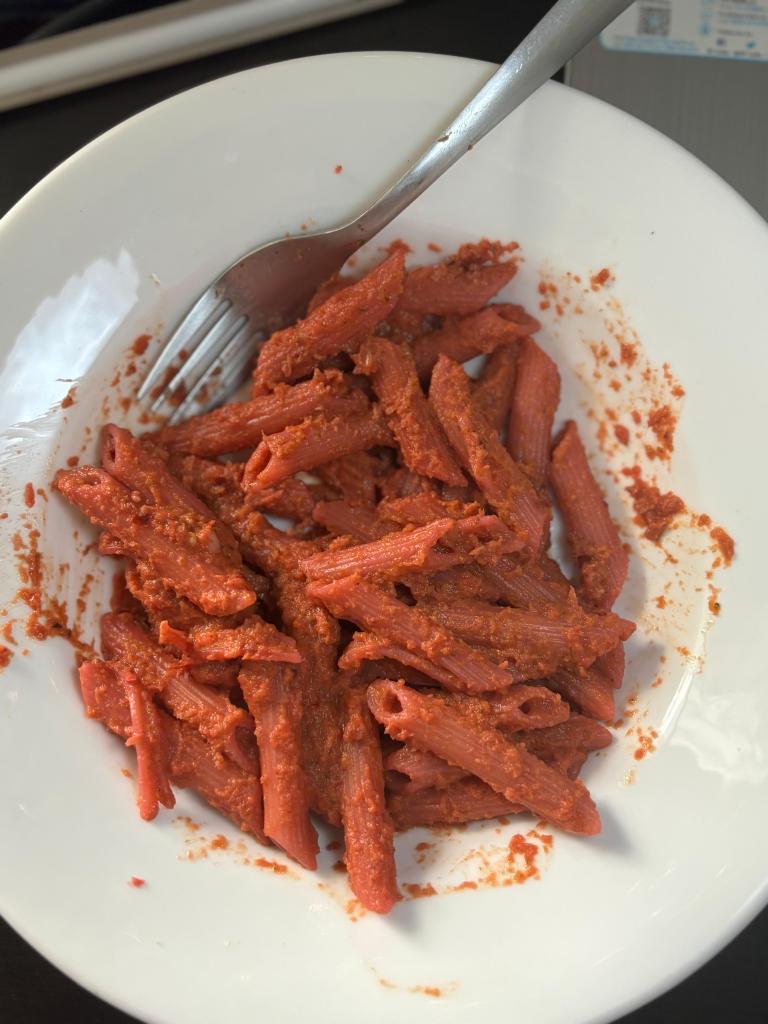
    I call this Rainbow Pasta Sauce because of the vibrant colors spread across the sheet pan when I roast the veggies. Now, my mom isn’t a fan of frozen food—she always reminds me that it’s not the same as eating fresh veggies—but she does agree that this hack is a much better alternative to store-bought pasta sauce packed with preservatives and additives.

    _______________________________________________________________________

    What you need:

    (These measurements yield about 10 servings of pasta sauce.)

    • Pumpkin ½
    • Carrots 2 or  3 medium
    • Beetroots 2 small
    • Bell peppers 1 or 2 whole
    • Broccoli ½ head w/ stems
    • A garlic, whole bulb
    • Feta cheese, 50gms (can also use a whole block of 100 gms)
    • Olive oil 1 tbsp
    • Salt and Pepper to taste

    Feel free to use whatever veggies you have, especially those that need to be used up!

    What to do:

    • Roughly chop all the vegetables into cubes and spread them on a sheet pan.
    • Wrap the garlic bulb in aluminum foil with a drizzle of oil (I have yet to master the art of getting that perfect garlic squeeze—any tips are welcome!).
    • Toss the veggies with olive oil, salt, and pepper.
    • Preheat your oven to 200°C (400°F) and roast the veggies for 45 minutes.
    • Once they’re browned and slightly shriveled, let them cool before blending them into a smooth sauce.
    • Transfer to a bowl and store in the fridge for up to 2–3 weeks, or deep freeze (easier to use Ziploc bags) for 2-3 months

    Not-So-Pro Tip: When using frozen sauce, toss a cube or two directly into a pan with veggies (a mix of broccoli and cherry tomatoes pairs beautifully) or meat. Add some chili garlic crisp for extra flavor. Once the sauce melts and thickens slightly, mix in your boiled pasta and let it cook for 2–3 minutes. Top with cheese (I recommend 100% cheddar over processed cheese), and for an easy melt, grate it. The whole meal comes together in 15–20 minutes, plus an extra 5–10 minutes for cleanup—totally worth it!

    ____________________________________________________________________________

     ✨ Mindfuel bites:

    • Pasta Swaps: Opting for multigrain, chickpea, or lentil-based pasta is a small but impactful change. I love Wicked Gud pasta (not sponsored, though I wish!). It’s an Indian brand offering healthier noodles and pasta options. I prefer it over regular pasta for its better nutritional profile and over 100% lentil pasta, which can be tricky to cook without turning mushy. Look for similar alternatives at your local grocery store—these swaps offer more fiber and protein. (For example, Wicked Gud has 9g of protein per 60g serving—not a ton, but it’s quite filling with the sauce and cheese!)
    • Veggie goodness: Pumpkin and carrots are rich in fiber and Vitamin A, while beetroot is an excellent source of folate and fiber while adding a gorgeous color to the sauce. Bell peppers are packed with Vitamin C and fiber, and broccoli is rich in Vitamins A, C, and K, antioxidants and, you guessed it, fiber! While frozen vegetables may not be as nutritious as fresh ones, they’re still a better alternative to store-bought pasta sauces loaded with preservatives that most brands do not even name on the label. Studies suggest that some food additives commonly used to enhance shelf life and quality, although not statistically proven, could have a negative impact on your gut microbiota.

    ___________________________________________________________________________

    This is certainly not a traditional pasta sauce—it contains neither tomatoes nor cream—but I promise you, it’s delicious! It’s a great substitute for store-bought pasta sauce and comes in handy when you’re running late in the morning and need to pack a dabba, make a quick lunch in between your workday, or whip up a satisfying dinner—especially at the end of a long, tiring day—when you want to resist the urge to order in because you’re trying to “adult”!

    ____________________________________________________________________________

    Literature:

    Zhou, X., Qiao, K., Wu, H., & Zhang, Y. (2023). The Impact of Food Additives on the Abundance and Composition of Gut Microbiota. Molecules, 28(2), 631. https://doi.org/10.3390/molecules28020631

    No comments on Rainbow Pasta Sauce ft. Adulting Hack Even Mom Approves
  • ‘Creamy Chilli Oil Eggs’ on Toast

    February 26, 2025
    Mindfuel Bites, Recipe Book, the eggcellent series

    the eggcellent series pt. 1

    Breakfast is my favorite meal of the day—ironically, I’ve been skipping it lately in favor of an early lunch or a loaded protein shake. But whenever I do have breakfast, eggs are my go-to. I made my first omelet when I was around 10, and that moment sparked my love for cooking. (Fun fact: I even had a little blog where I posted my omelet recipe! You won’t find it though, I’ve taken it down. But clearly, kiddo me knew I’d take this passion more seriously one day and was already laying the groundwork.)

    It turns out that eating breakfast regularly (seven times a week) can significantly reduce cardiovascular risk and lower the incidence T2DM, hypertension and abdominal obesity. Eggs not only are versatile but are a good source of protein and known to increased satiety, less hunger compared to other quick and easy breakfasts like cereals of the same caloric content.

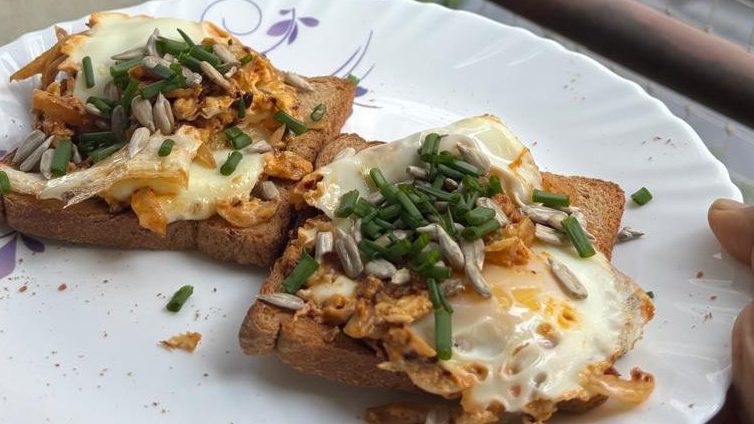
    I love eggs in every form, and this is one of my absolute favorite ways to enjoy them on toast. I originally stumbled upon this recipe while searching for new ways to cook eggs, and on days like that, I’m especially grateful for the internet—a space where like-minded folks can share and inspire. Now, it’s my turn to give back! This dish is creamy, flavorful, and packed with protein—perfect for an easy, satisfying breakfast. I would highly recommend this recipe if you’re looking for an extremely yummy high protein egg recipe!

    What you need:

    • 2 whole eggs
    • 1 onion, sliced thin
    • 1 tbsp, chilli oil (I used the ‘Masterchow Sichuan Chilli Oil’ here)
    • 1-2 tbsp, heavy cream
    • Salt, as per taste
    • Jaggery powder, a pinch
    • Sunflower seeds, a handful
    • Any greens for garnish (I used green onions)
    • ½ tsp, oil

    What to do:

    Lightly brush a pan with oil and sauté the sliced onions. Add a little salt and a pinch of jaggery or sugar to help them caramelize.

    Once the onions turn soft and golden, stir in the heavy cream and chili oil. (Tip: If you’re using store-bought chili oil, go easy on the salt—it’s usually already seasoned!)

    Make two small wells in the onion mixture and crack in the eggs. Cover the pan and let them cook on low heat for about 2 minutes.

     When the eggs are nearly done, turn off the heat, cover again, and let the residual steam finish cooking them.

    Place your eggs and creamy onions over toasted bread, top with sunflower seeds and fresh greens, and dig in!


    Literature:

     Xu, L., & Dai, R. (2021). Effects of regular breakfast habits on metabolic and cardiovascular diseases: A protocol for systematic review and meta-analysis. Medicine, 100(44), e27629. https://doi.org/10.1097/MD.0000000000027629

    B Keogh J, M Clifton P. Energy Intake and Satiety Responses of Eggs for Breakfast in Overweight and Obese Adults-A Crossover Study. Int J Environ Res Public Health. 2020 Aug 3;17(15):5583. doi: 10.3390/ijerph17155583. PMID: 32756313; PMCID: PMC7432073.

    No comments on ‘Creamy Chilli Oil Eggs’ on Toast
  • A Ramen-tic tale: From instant cravings to balanced indulgence!

    January 18, 2025
    Mindfuel Bites

    Instant noodles—steamed and deep-oil-fried noodles, also called ramen in Japan and ramyon in Korea—originated in Japan in the 1950s. They are a popular meal choice, particularly among the younger population, thanks to their ease, accessibility and, of course, the taste!

    Plus, the internet now has countless hacks and recipes to zhuzh up (not so) good ol’ ramen—some of which, I must admit, are too good to miss!

    The Korean National Health and Nutrition Examination Survey III* revealed that instant noodle consumers showed higher nutrient intake of energy, fat, sodium, thiamine, and riboflavin and lower intake of protein, calcium, phosphorus, iron, potassium, vitamin A, niacin, and vitamin C compared a group of non consumers.

    I went through a phase (which, in hindsight, I feel a little guilty about) where I consumed a lot of ramen, often showcased it on my Instagram page too. However, for the past year or so, I got more conscious about the calories, lack of real nutrition and super high sodium content on each packet of instant ramen. So I imposed a “ramen only once a month” rule to curb my habit. (Okay I admit, I’ve broken the rule a couple of times, but overall, I’ve been more mindful.) Restriction never works anyway, so moderation it is.

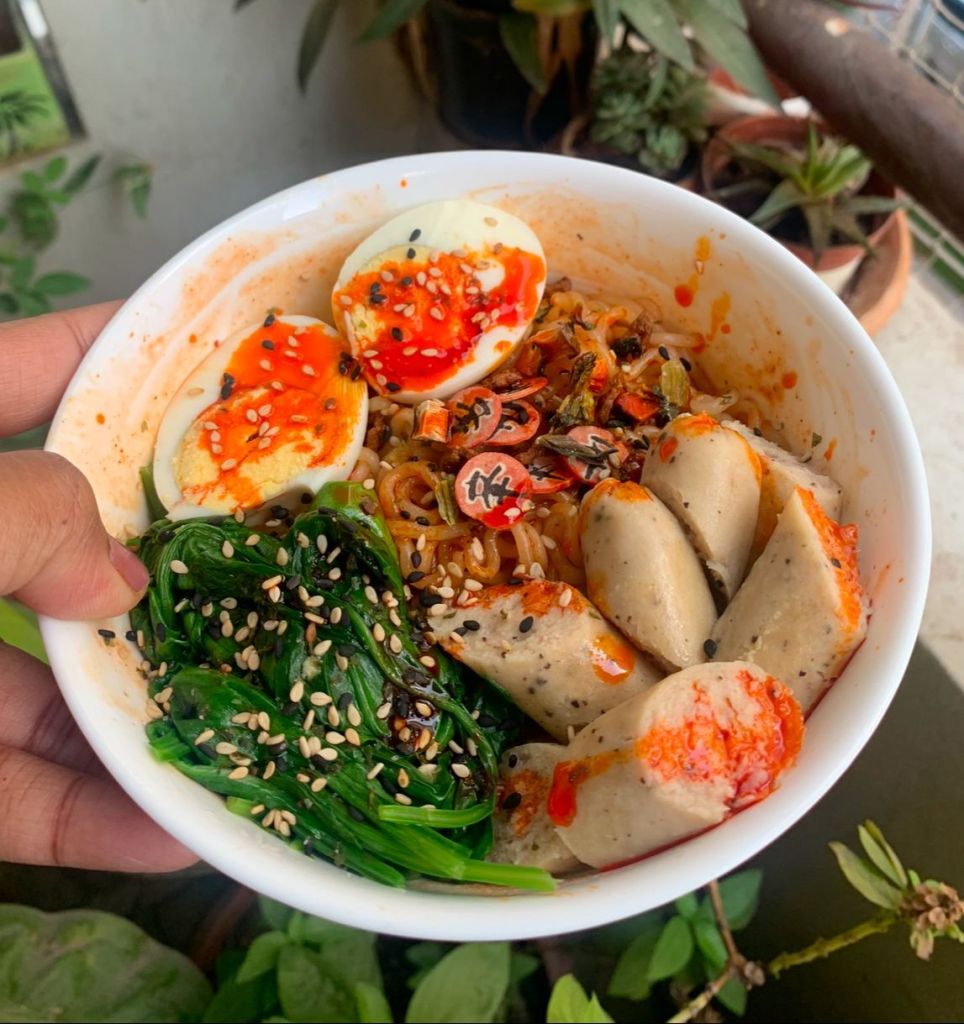
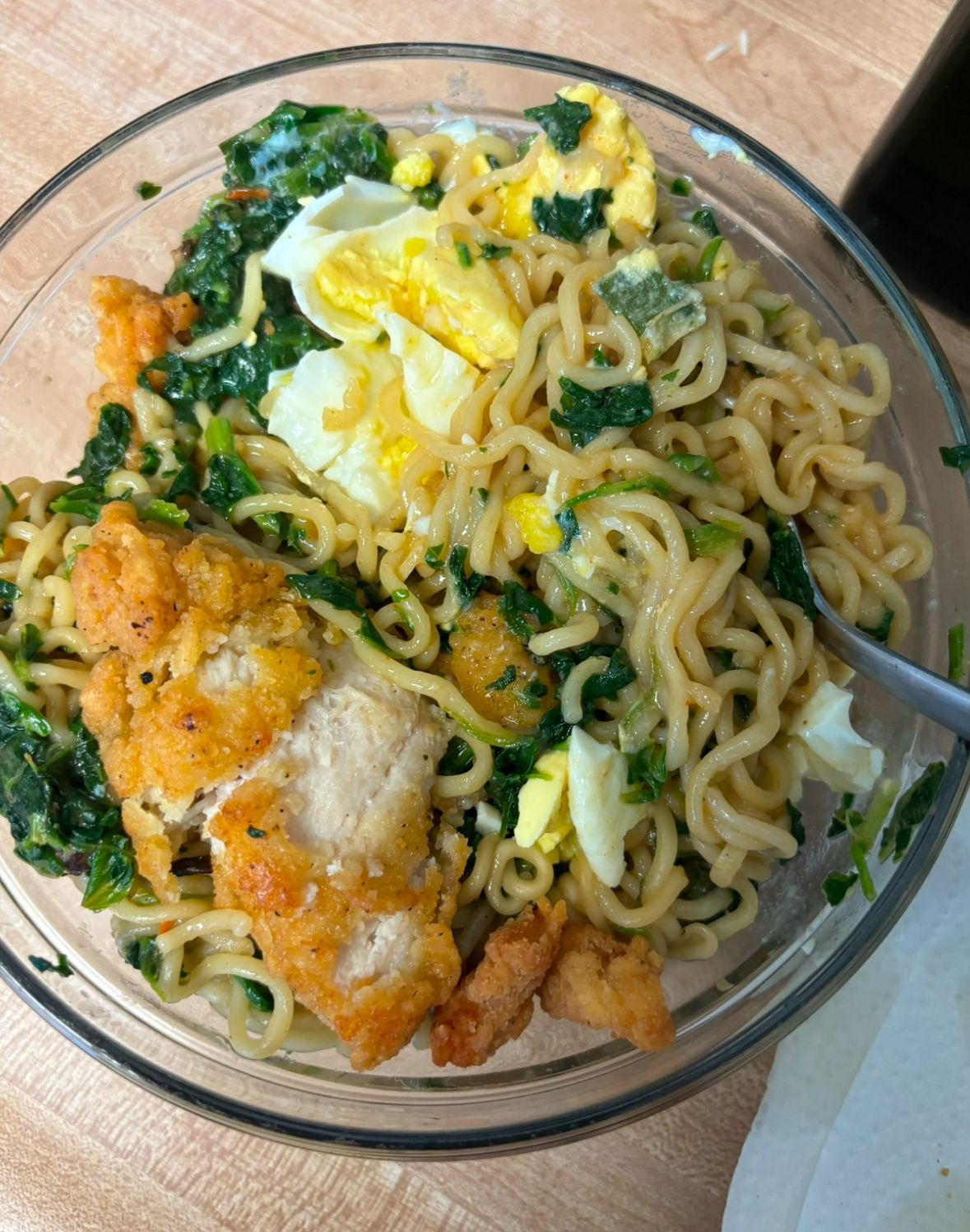
     So I don’t eat ramen as often anymore, but when I do, this is what I do:

    1. Add Some Greens
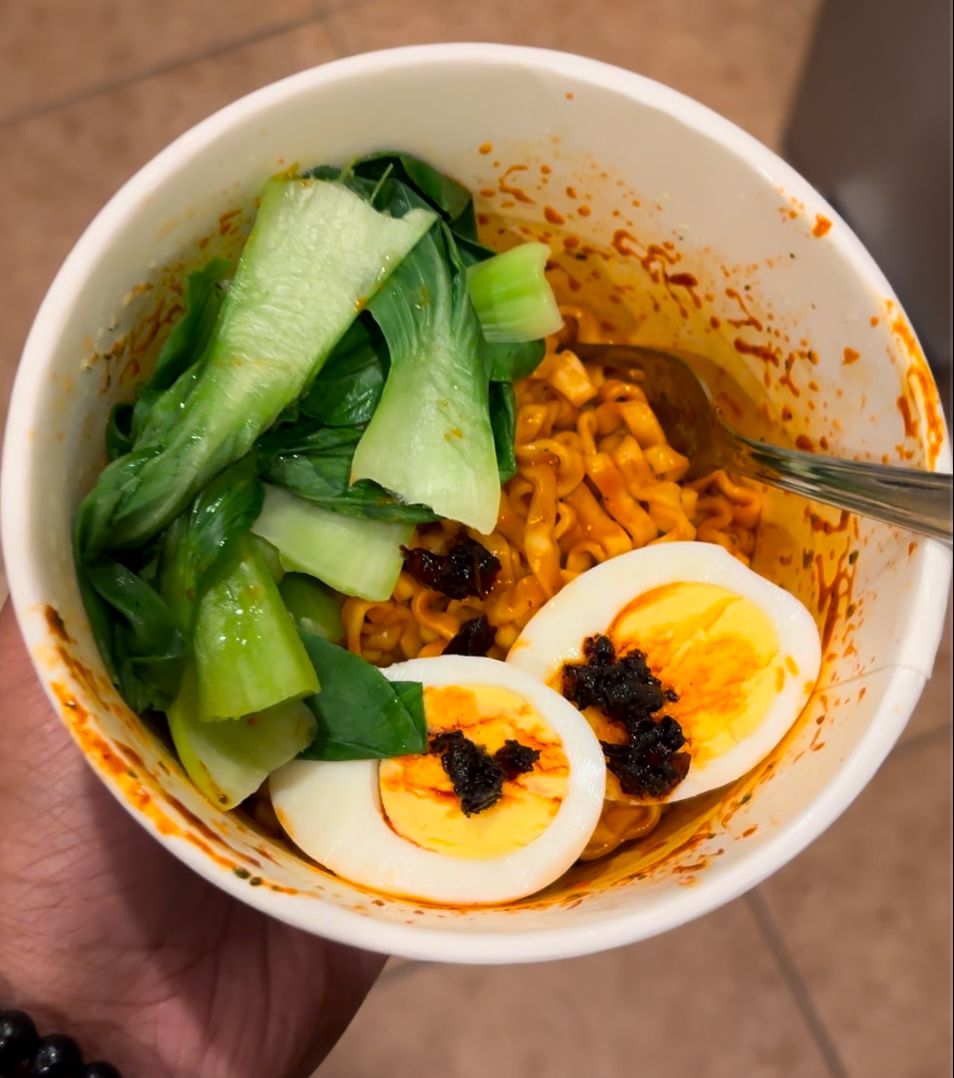
      My go-to choices are spinach, broccoli, and bok choy. These add a boost of fiber to balance the meal and provide essential nutrients like iron, calcium, and vitamins such as K and folate. They certainly make your bowl look more vibrant
    2. Add an Egg or Protein of Your Choice
      I like to toss in an egg but you can add any protein you enjoy, like tofu, chicken, or even shrimp. Protein helps balance the carbs in ramen and keep you feeling full for longer.
    3. Portion It Out
      This might sound simple, but it’s easier said than done. Using only half the noodle block or sharing the meal is a great way to cut the calories and sodium in half without feeling deprived. It’s a small adjustment with a big impact!
    4. Add a Bowl of Fruit
      Pair your ramen with a bowl of fruit—whatever you have in the fridge that needs to be eaten before it spoils. It adds fiber and a good dose of vitamins. Cherry on the ramen bowl, your gut will thank you for it!

    _____________________________________________________________________

    Acknowledged Literature:

    *Park, Juyeon, et al. “A Comparison of Food and Nutrient Intake between Instant Noodle Consumers and Non-instant Noodle Consumers in Korean Adults.” Nutrition Research and Practice, vol. 5, no. 5, 2011, p. 443, https://doi.org/10.4162/nrp.2011.5.5.443. Accessed 17 Jan. 2025.

    No comments on A Ramen-tic tale: From instant cravings to balanced indulgence!
  • Recipe : Tomato Dal

    January 12, 2025
    Mindfuel Bites, Recipe Book, the comfort series

    the comfort series pt.1

    It wasn’t until I stayed away from home for almost three months that I truly understood what comfort food really means.

    Cooking had always been a fun hobby for me, but living alone for the first time and figuring things out, I had to cook a proper meal—and naturally, I turned to the top of my list: Pappu annam (Dal or lentils = pappu and annam = rice).

    The idea of comfort food carries different meanings for everyone.

    According to Locher et al., the term was added to renowned dictionaries in 1997. The Collegiate Dictionary defines it as:

    “Food prepared in a traditional style with a generally nostalgic or sentimental appeal.”

    The current Oxford Dictionary definition goes like:

    “Foods that make you feel better, generally because they contain too much sugar or because they remind you of home.” (1)

    During my time away, tomato dal became my version of home in a bowl. I made this recipe multiple times—sometimes in big batches that lasted a week, paired with rice or rotis.

    ______________________________________________________________________

    Tomato Dal Recipe

    What You Need:

    • 1 cup dal (masoor or toor dal)
    • 1 onion
    • 2 tomatoes
    • Salt, to taste
    • 1 to 2 tsps ghee
    • 2 green chilies

    For the tadka:

    • 1 tsp split toor dal
    • 1 tsp mustard seeds
    • 1 tsp jeera
    • 1 dried red chilli
    • 2-3 garlic cloves
    • Handful of curry leaves

    What to Do:

    1. Start with one tsp of ghee in a pressure cooker (ideally) and add the green chilies slit in half along with finely chopped onions.
    2. Once the onions become soft, add chopped tomatoes. Chopping doesn’t have to be fine as they’ll cook and turn mushy into the dal.
    3. Once the tomatoes cook a little bit, add washed dal and water in a 1:3 ratio, adjusting based on the consistency you like.
    4. Let it pressure cook according to your cooker’s settings or for 10-15 minutes on a stovetop, ensuring the dal is fully cooked. (It should smush up against the ladle immediately.)
    5. Prepare the tadka: heat ghee, add tadka ingredients, and let them sizzle. Pour it over the cooked dal and mix well.
    6. Serve with rice or rotis and dig in with your bare fingers!

    ________________________________________________________________________

    Mindfuel Bites  (2-4)

    1. Tomatoes are high in Vitamin C and antioxidants. Combined with masoor dal, which has almost 18 grams of protein per cup and is rich in Vitamin B6, iron, and dietary fiber, this dish is both nutritious and filling.
    2. While both masoor dal (red lentil) and toor dal (pigeon pea) are high-protein lentils, masoor dal generally cooks faster and is considered slightly lighter on the stomach compared to toor dal.
    3. Research has proven that the combination of lentils with rice in a 1:1 ratio can improve the protein quality of lentil-based diets, resulting in increased protein synthesis in young healthy adults.
    4. Rice lacks certain amino acids like lysine, which are present in dal. Conversely, dal lacks methionine and cysteine, which are found in rice. Together, they form a complete protein, similar to that found in animal products.
    5. The combination of fiber from dal and carbohydrates from rice results in a lower glycemic index meal. This helps maintain steady blood sugar levels, making it suitable for diabetics.
    6. The fiber in dal aids in better digestion and absorption of nutrients from rice. Moreover, the vitamin C content enhances iron absorption.

    _______________________________________________________________________

    For me, tomato dal will always be the dish that reminds me of where I’m from and brings a sense of comfort, no matter where I am.

    Hope you enjoy this recipe too!

    Cheers,

    Lavanya

    _______________________________________________________________________

    Acknowledged sources/literature

    1. Pereira, J. M., Guedes Melo, R., de Souza Medeiros, J., Queiroz de Medeiros, A. C., de Araújo Lopes, F., & Federal University of Rio Grande do Norte (2024). Comfort food concepts and contexts in which they are used: A scoping review protocol. PloS one, 19(4), e0299991. https://doi.org/10.1371/journal.pone.029999
    2.  https://fdc.nal.usda.gov/food-details/172421/nutrients
    3. Rafii, M., Pencharz, P. B., Boileau, K., Ball, R. O., Tomlinson, C., Elango, R., & Courtney-Martin, G. (2022). Metabolic Availability of Methionine Assessed Using Indicator Amino Acid Oxidation Method, Is Greater when Cooked Lentils and Steamed Rice Are Combined in the Diet of Healthy Young Men. The Journal of nutrition, 152(6), 1467–1475. https://doi.org/10.1093/jn/nxac049
    4. https://timesofindia.indiatimes.com/life-style/food-news/nutritional-benefits-of-dal-rice-a-complete-guide/articleshow/111550052.cms

    No comments on Recipe : Tomato Dal
  • A Fresh Start

    November 22, 2024
    Tête-à-Tête

    Hello! My name is Lavanya, though it still feels surreal to say Dr. Lavanya. But yes, I am a doctor! I recently graduated from medical school, and I’m eager to see where this journey takes me.

    I also recently turned 25 and it has been a time of reflection. Interestingly, research suggests that 25 is the peak of brain maturation and marks the completion of  “rewiring” in the brain.1 Ironically, it feels like this is exactly the time I need to start rewiring my habits—unlearning patterns that no longer serve me and embrace new, healthier ones.


    As a child and teenager, I was naturally skinny and fairly active, blessed with a metabolism that seemed unstoppable. But like many of us, life caught up with me. In college, I gained several kilos while exploring my city and enjoying time with friends. The shift became especially noticeable earlier this year when I lived alone for a few months. Carrying groceries while walking a mile left me huffing, puffing, and needing frequent breaks along the way.

    It hit me then: I need to make a change.

    As I prepare my application for a residency in Neurology, I realize it’s not just my mind that needs to be ready—my body does, too. Looking back, I can see how I’ve been going against everything I learned in medical school: not eating well, not sleeping properly, and not exercising enough. It’s time to realign.


    The idea of this blog is to document my journey of breaking old patterns and relearning healthier ones. Some key areas I’m focusing on include:

    • Mindfulness in everyday life, especially with nutrition and meals
    • Building better sleep hygiene
    • Incorporating exercise and strength training for stronger bones and muscles.

    If there’s one thing I’ve learned so far, it’s that I’m not perfect—and that’s okay. My goal isn’t perfection. It’s consistency.

    This past week, I’ve been experimenting with a simple habit: waking up earlier and taking a morning walk to soak up some sunshine. The first three days took effort, but by the fourth, I woke up with more ease and actually looked forward to it. That small win was thrilling and reaffirmed my belief in the power of intentional changes.

    I’m excited to explore the potential of my brain as I take on this new chapter. Along the way, I’ll share research-backed insights from what I learn, my favorite recipes, tips for better sleep, stories from my life as a doctor, and all the highs and lows of adulting.

    Thank you for reading this introduction. I hope you’ll stick around and join me on this journey to a healthier, more mindful life. Stay tuned!


    Acknowledged Literature

    1. Arain, M., Haque, M., Johal, L., Mathur, P., Nel, W., Rais, A., Sandhu, R., & Sharma, S. (2013). Maturation of the adolescent brain. Neuropsychiatric Disease and Treatment, 9, 449. https://doi.org/10.2147/NDT.S39776
    2. Baranwal, N., Yu, P. K., & Siegel, N. S. (2023). Sleep physiology, pathophysiology, and sleep hygiene. Progress in cardiovascular diseases, 77, 59–69. https://doi.org/10.1016/j.pcad.2023.02.005
    No comments on A Fresh Start

Blog at WordPress.com.

Dr. Lavanya Patnala

Mindful Nutrition, Sleep Health and everything in between

  • About
  • Mindfuel Bites
  • Young & Unfiltered
 

Loading Comments...
 

    Notifications